
Helping women experiencing hidden homelessness be counted
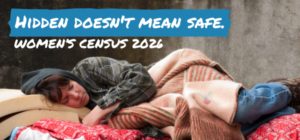
Every day, our teams support women facing homelessness, poor health, recovery challenges and other forms of disadvantage. Through those conversations and relationships, we see first-hand how women’s experiences of homelessness can often remain hidden.
Many women go to great lengths to avoid sleeping in places where they can be easily seen. Some spend nights on buses or trains, in waiting rooms, or moving between temporary and unsafe places because it feels safer than sleeping outside. For some women, staying hidden can feel like the best way to protect themselves from violence, exploitation and abuse.
That’s why we are supporting the Women’s Rough Sleeping Census, taking place from 21 to 27 September.
The census aims to build a more complete picture of women’s experiences of rough sleeping and hidden homelessness. By gathering information directly from women and from the organisations that support them, it helps strengthen understanding of an issue that can often remain out of sight.
In Nottingham, we are leading the local delivery of the census alongside The Health Shop. The work highlights the importance of partnership working across the city, bringing together organisations that support women facing multiple disadvantages and help remove barriers to accessing support.
Louise Wilkins from The Health Shop said:
“Across the partnership, we try to make access to services for hidden homeless women easier by going out to women directly; to where they live, sleep, work and hang out. A lot of this comes from building relationships and trust over time.”
Partnership working also includes The Access Project, which brings together colleagues from Framework, Nottingham Recovery Network, The Health Shop and NHS partners to help women access healthcare, substance use support and other essential services.
Last year’s census identified significantly more women experiencing rough sleeping in Nottingham and Nottinghamshire than were recorded through the annual rough sleeping snapshot. This highlights just how easily women’s experiences can go unnoticed and why building a fuller understanding of homelessness is so important. Without that evidence, it becomes harder to shape services, secure funding and develop support that reflects women’s needs.
For us, the Women’s Rough Sleeping Census is about more than gathering data. It is an opportunity to listen, learn and ensure that women’s experiences help shape future homelessness services and support.
By taking part, we hope to contribute to a better understanding of women’s homelessness and help ensure that women whose experiences often go unseen are recognised, understood and supported.
Support women experiencing homelessness
If you’d like to help us continue supporting women experiencing homelessness and housing insecurity, please consider making a donation. Every contribution helps us provide vital services and support to people facing some of the most challenging circumstances.